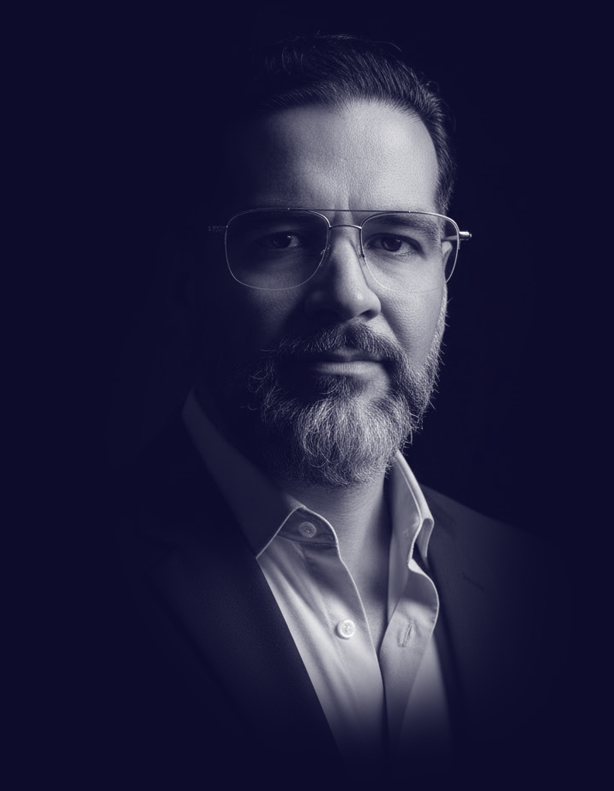
Systems Architect · Founder · Advisor
AI NEEDS PERMISSION
BUSINESSES NEED CLARITY TO BE FOUND
I work with mortgage and high-trust organizations on AI governance, execution evidence, and AI-era visibility systems. My work connects governed action with the reliable public understanding businesses need to be found.


My background spans large-scale software architecture, user experience, and security across enterprise and regulated environments. That work led to a consistent conclusion: consequential systems need explicit, bounded authority and reviewable evidence.
Today I apply that thinking at two points where AI-era businesses win or fail: the authority to act and the ability to be understood. I help mortgage organizations govern consequential AI with clear controls and evidence, and help businesses build credible visibility across search and answer engines.
My work includes Crittora for mortgage AI governance, work as WUN AEO Director and with XEO Labs on cross-engine visibility, and UI-GATES as an experimental project on evidence in AI-assisted software work. The underlying doctrine is simple: high-trust AI needs governed action in operations and reliable evidence in the public information people use to make decisions.
Practices & Research

Through Crittora: design controls for who or what may act in consequential mortgage workflows, under which limits, and what evidence should be retained for review.

Through XEO Director, by XEO Labs: make businesses legible, credible, and findable across search, AI answers, content, and conversion surfaces.

Through WUN.ai: govern how AI work ships - Shortcake governed releases, MCP tooling, and execution-time authorization behind the WUN ecosystem.
Research & Field Notes
Essays and field notes on governed AI, execution evidence, and the reliable public information high-trust organizations need to be understood.
Start with the Research & Field Notes hub or explore the full series archive.

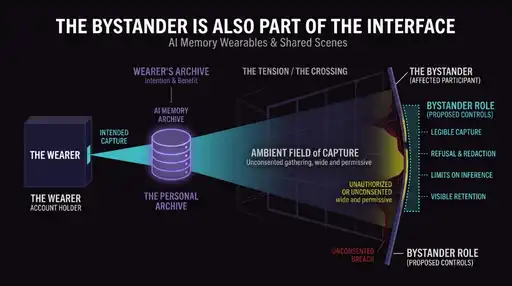
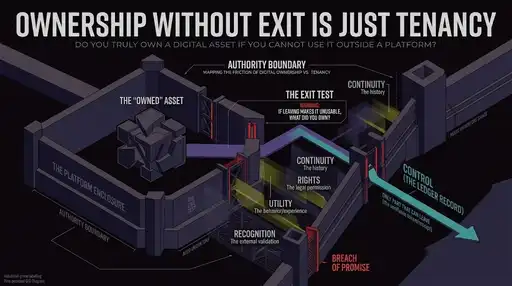

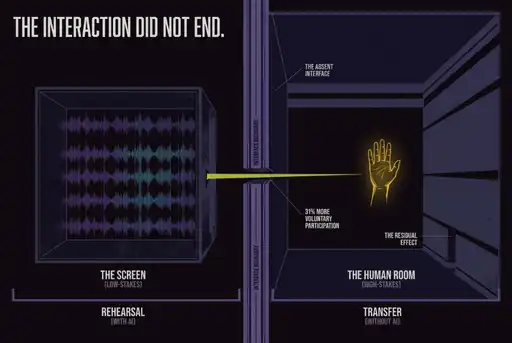

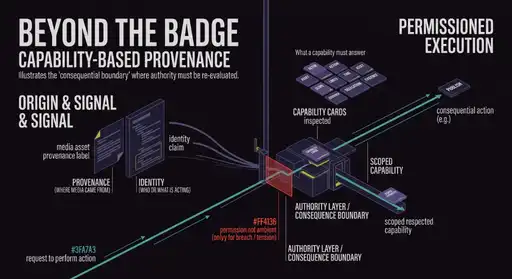
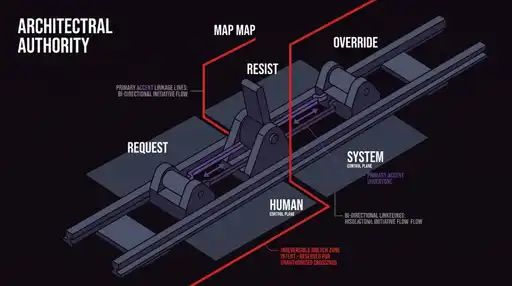
Field Notes & Observations
Micro-Media
Short-form video analyses exploring execution authority failures, ambient trust vulnerabilities, and AI security incidents.
One breached app is a breach of everything that app could read.
Why ambient authority expands the blast radius of connected tools and automated agents.
When Your Connected Tool Gets Hacked, What Gets Exposed?
How connected integrations become unintended privilege escalations in AI workflows.
Read Access Can Mean Your Entire Communication History
Understanding the hidden reach of standing data permissions and why execution-time checks matter.
Connect
© Gerardo I. Ornelas
Systems architect, founder, and advisor for governed AI and trusted visibility.